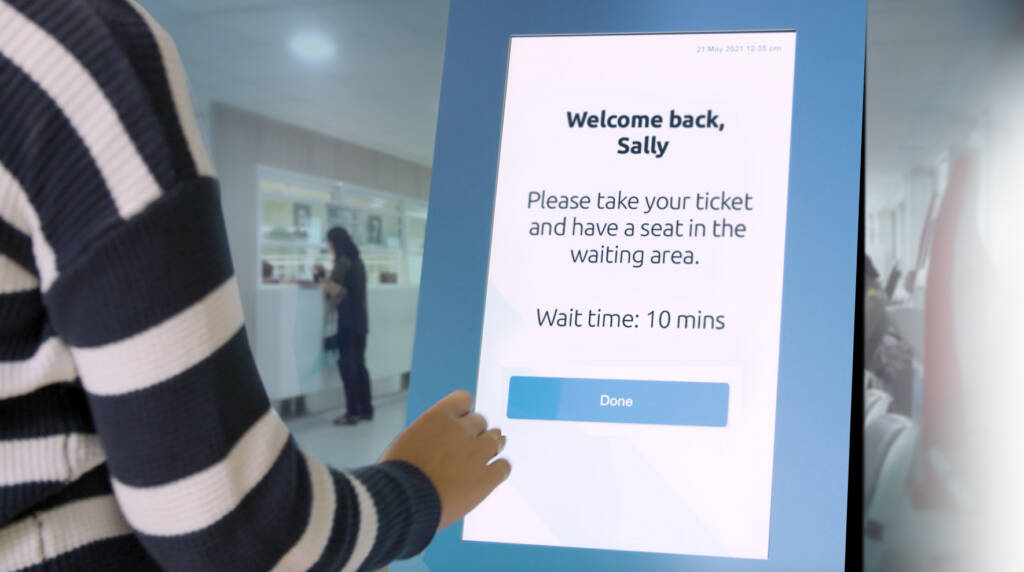



Healthcare providers today ask more of patients; inundating them with intake forms, screening questionnaires, patient experience & satisfaction scores and more. Nevertheless, patients are interested in getting pertinent educational information, information about supporting services, in-visit updates for waiting times, cause of waiting, and so on.
This bi-directional communication between the provider and the oncology patient needs to be orchestrated and synchronized in the right context, which is the patient journey context.
The oncology patient journey is a patient-centric operational treatment plan that coordinates the actions and expectations of both the patient and the healthcare provider. It should include:
- Treatments, check-ups, follow-ups and supporting services appointments.
- Tasks as a part of care coordination: confirmations, pre- and post-visit forms, relevant education.
- Back-office processes and workflows for billing, resource and staff management.
When all the patient and healthcare team’s elements are known, mapping a patient journey to these elements results in a treatment plan. Now the question is: how should the healthcare provider and patient communicate?
Engaging with patients is not a uni-directional task — it’s all about promoting and involving patients in a true patient-centric approach. A bi-directional interactive channel engages patients and enables care teams to focus on outcomes. An omnichannel approach empowers healthcare providers to do more with less: more patient interaction, engagement and automation – with less manual actions, paper trail, and burden on staff members.
Creating the patient journey plan and equipping the provider, patient and the supporting family with various channels to communicate, whether it’s a video call, advanced chatbot or a traditional phone call, ensures improved patient experience, reduced operational waste and added value of improved PROMs data collection.
In our forthcoming part 2 of this blog, we’ll highlight what’s important to oncology patients during their treatment visits, and how to improve operational efficiency while making sure patients’ needs are addressed.
Originally posted on the Qnomy blog here